
U.S. Stock Futures Decline as Oil Prices Spike on Middle East Attacks
U.S. Futures Weaken Amid Rising Volatility
U.S. equity index futures traded lower on Thursday. S&P 500 futures declined 0.46%, Dow futures fell 0.43%, and Nasdaq futures dropped 0.58%. The moves came as investors assessed the impact of a renewed spike in energy prices on inflation and monetary policy expectations.
Market volatility increased, with the VIX volatility index rising more than 4% to 26.10. In contrast to typical risk-off patterns, gold prices fell sharply, losing nearly 6% on the day.
The Federal Reserve, which held interest rates steady on Wednesday, highlighted uncertainty related to inflation pressures linked to higher energy prices. Fed Chair Jerome Powell stated that markets have “plenty to worry about, but not stagflation,” underscoring policymakers’ focus on inflation risks without signaling a shift toward a stagflationary outlook.
Oil and Gas Prices Surge on Middle East Escalation
Crude oil prices jumped more than 10% after a wave of attacks on key Middle East energy hubs raised fears of supply disruptions. Brent crude briefly spiked to near $119 a barrel before easing back to a range of approximately $113–115.
The Iran-Israel conflict intensified, with reported attacks on Iran's South Pars gas field and retaliatory Iranian strikes targeting energy facilities in Qatar, the UAE, and Saudi Arabia. In response to the escalation, Trump warned Iran against further retaliation and threatened to “massively blow up” the gas hub.
The surge in crude prices fed through to fuel markets, with gas prices climbing to their highest level since March 2022. The combination of higher energy costs and heightened geopolitical tension added to investor concerns about the inflation outlook flagged by the Federal Reserve.
FAQ
Why did U.S. stock futures fall on Thursday?
U.S. stock futures declined as a sharp rise in oil prices and attacks on Middle East energy infrastructure increased concerns about supply disruptions, higher inflation, and broader market risk.
How much did oil prices rise and where did Brent crude trade?
Crude oil rose more than 10%, with Brent crude spiking to near $119 a barrel before retreating to around $113–115.
What did the Federal Reserve signal about inflation and growth?
The Federal Reserve kept interest rates unchanged and noted uncertainty around energy-driven inflation, while Jerome Powell said markets have “plenty to worry about, but not stagflation.”
How did other key market indicators move?
The VIX volatility index rose over 4% to 26.10, gold prices fell nearly 6%, and gas prices reached their highest level since March 2022.
Share
Hot topics
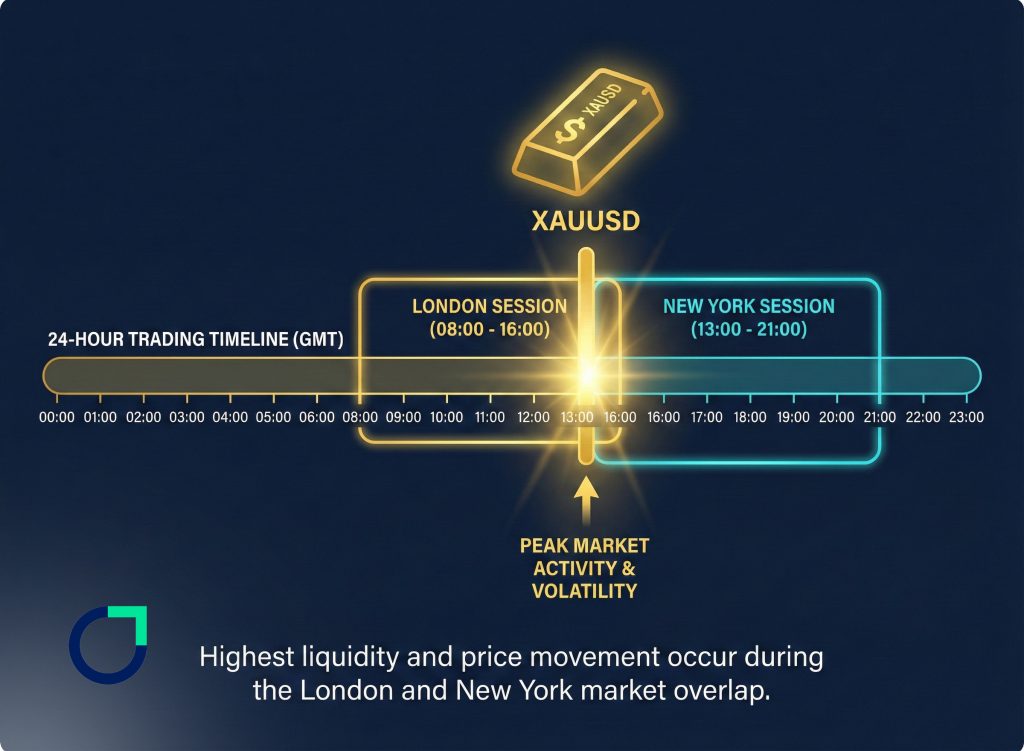
Best Time to Trade Gold (XAU/USD) in Forex
Introduction If you’ve ever observed gold move during a significant news release, you understand that timing is extremely important. Gold can be calm for hours before exploding with momentum. For...
Read more



Submit comment
Your email address will not be published. Required fields are marked *