Oil Surge and Fed Stance Pressure Global Markets as US Futures Slip
US Futures, Commodities, and Bonds Move on Geopolitical and Policy Risks
US equity futures pointed to a cautious open on Thursday. S&P Futures slipped 0.03%, Nasdaq Futures fell 0.12%, while Dow Futures edged up 0.01%. The moves followed a broad selloff in the previous session, when the Dow Jones Industrial Average declined 1.63% to 46,225.15, the S&P 500 fell 1.36% to 6,624.70, and the Nasdaq dropped 1.46% to 22,152.421.
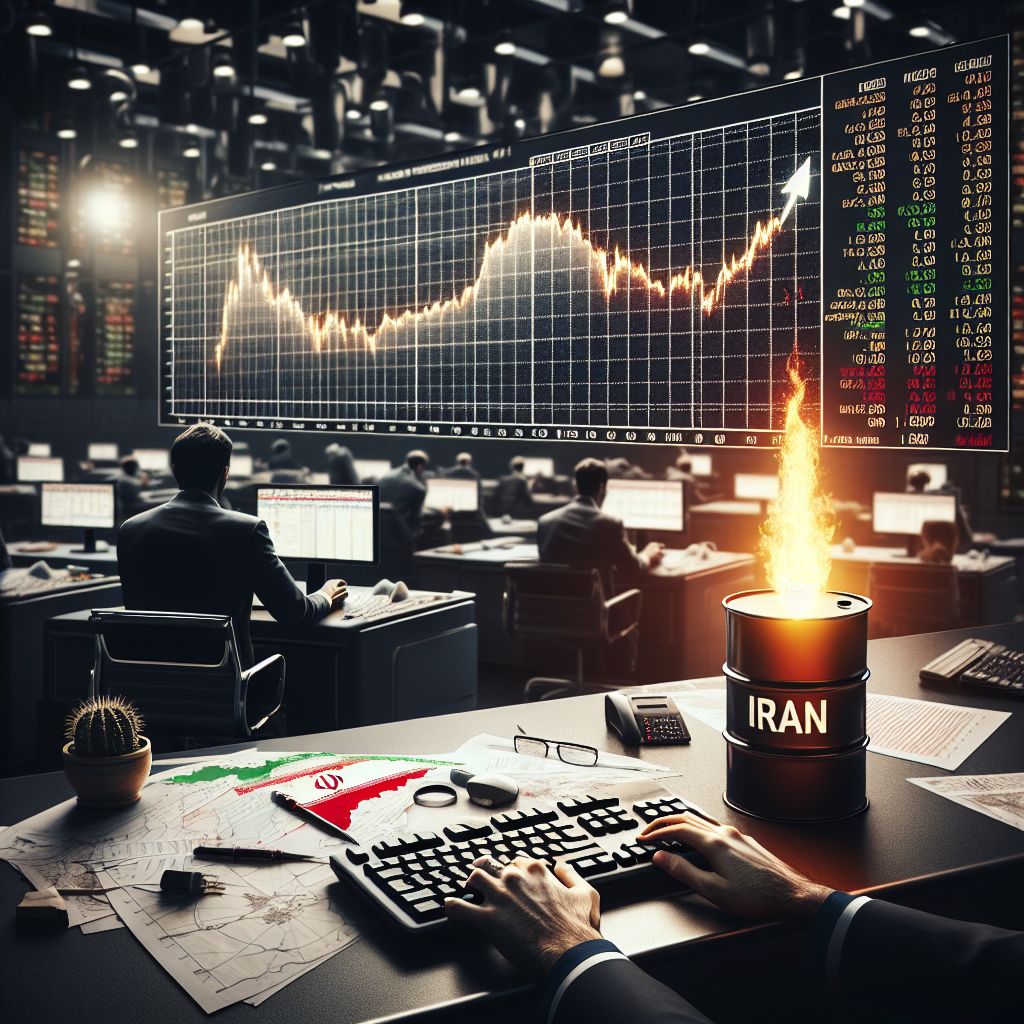
Crude Oil rose 0.74% to $96.17 after Iran carried out retaliatory strikes on Qatar’s LNG facilities and other Middle Eastern energy infrastructure. The escalation in regional tensions added to concerns that higher energy prices could feed into inflation. In contrast, Gold fell 1.53% to $4,821.40.
The VIX volatility index increased to 25.09, up 12.16%, reflecting elevated expectations of near-term market swings. In fixed income, the 10-year Treasury bond yield rose to 4.259%, signaling higher borrowing costs and reinforcing the market’s focus on inflation and interest rate dynamics. Bitcoin declined 4.51% to $70,866, underscoring broader risk-off sentiment across asset classes.
Fed Holds Rates as Inflation Concerns and Middle East Conflict Weigh on Outlook
The Federal Reserve’s decision on Wednesday to hold interest rates steady, combined with a hawkish tone on inflation, added pressure to risk assets. Fed Chair Jerome Powell stated that the United States had not made as much progress on inflation as hoped. He also noted that the implications of the Middle East conflict for the US economy were “uncertain.”
These comments contributed to a reassessment of the interest rate outlook and inflation trajectory, reinforcing concerns already heightened by the jump in oil prices. The combination of geopolitical risk, higher energy costs, and a cautious stance from the Fed weighed on equity markets and supported higher volatility and bond yields.
Global equity markets also reflected the risk-off mood. Japan’s Nikkei 225 dropped 3.49% to 53,312, while the UK’s FTSE 100 fell 0.94% to 10,305, indicating broad-based pressure across major international indices.
FAQ
What triggered the latest market selloff?
The selloff was driven by Iran’s retaliatory strikes on Qatar’s LNG facilities and other Middle Eastern energy infrastructure, which pushed oil prices higher, combined with the Federal Reserve’s hawkish tone on inflation after holding interest rates steady.
How did major US indices perform in the last session?
On Wednesday, the Dow Jones Industrial Average fell 1.63% to 46,225.15, the S&P 500 declined 1.36% to 6,624.70, and the Nasdaq dropped 1.46% to 22,152.421.
What did Fed Chair Jerome Powell say about inflation and the Middle East conflict?
Jerome Powell said the US had not made as much progress on inflation as hoped and described the implications of the Middle East conflict for the US economy as “uncertain.”
How did key alternative assets and volatility indicators move?
Bitcoin fell 4.51% to $70,866, Gold declined 1.53% to $4,821.40, the VIX volatility index rose to 25.09 (up 12.16%), and the 10-year Treasury bond yield increased to 4.259%.
Share
Hot topics
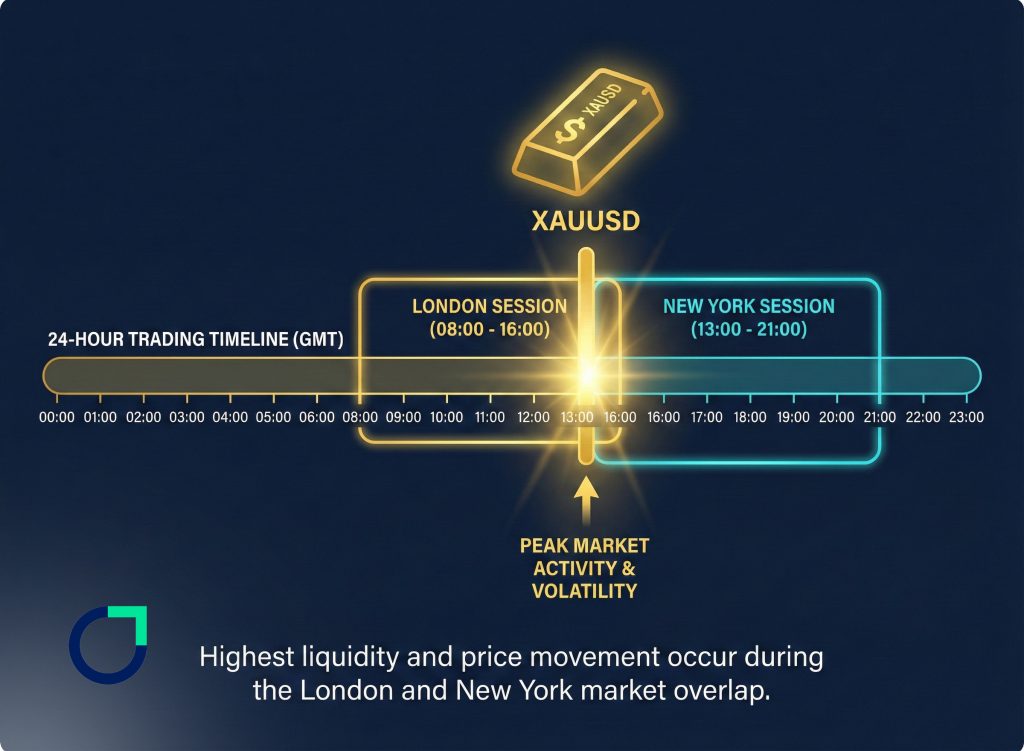
Best Time to Trade Gold (XAU/USD) in Forex
Introduction If you’ve ever observed gold move during a significant news release, you understand that timing is extremely important. Gold can be calm for hours before exploding with momentum. For...
Read more

Submit comment
Your email address will not be published. Required fields are marked *