
Oil Surges Back to $100 as Hormuz Attacks and Iran Conflict Deepen Supply Fears
Oil Spikes on Tanker Attacks and Middle East Disruptions
Brent crude futures rose more than 6% in Asian trade to hit $100 a barrel, while WTI crude climbed over 6% to $93 per barrel. The gains followed reports of attacks on six vessels in the Gulf and Strait of Hormuz, with explosive-laden Iranian boats appearing to have been used in the incidents. The disruptions extended to an Oman port, intensifying concerns over the security of key maritime energy routes.
The conflict involving Iran placed merchant shipping at the center of geopolitical tensions and heightened fears of a prolonged disruption in oil flows through the region. Market sentiment remained focused on supply risks, with the Iran war cited as a primary driver of the renewed price spike.
Limited Impact of IEA Release and Broader Market Repercussions
The IEA proposed a record emergency oil release to counter potential supply losses stemming from the Iran war. However, traders appeared unconvinced that the planned release would fully offset the impact of a longer-lasting disruption in the Strait of Hormuz and surrounding areas. Expectations that the Middle East conflict could drag on for months added to the bullish pressure on crude benchmarks.
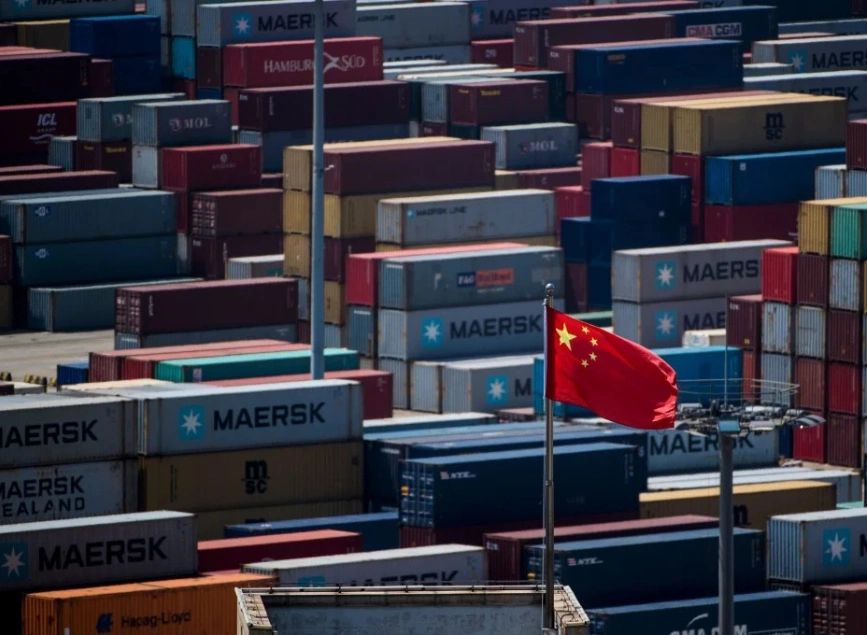
China halted refined fuel exports in March to safeguard domestic supply amid the ongoing energy crisis, further tightening regional product availability. In response to the shifting outlook, Goldman Sachs raised its fourth-quarter Brent and WTI price forecasts, citing the prospect of longer Hormuz disruption.
The surge in oil prices reverberated across financial markets. The U.S. dollar index rose 0.18% to 99.407 as the jump in energy costs stoked inflation worries. U.S. consumer prices increased 2.4% year-on-year in February, in line with expectations, but oil-driven inflation was flagged as a key concern going forward.
Asian stock markets declined as Brent returned to the $100 threshold, and regional currencies weakened, with the Indian rupee hitting a record low against the backdrop of oil turmoil. Asia FX broadly softened as energy concerns remained prominent. In the aviation sector, Air New Zealand announced it would cut 5% of its flights as higher fuel costs disrupted travel plans, with existing airline hedging strategies proving insufficient amid the surge in jet fuel prices.
Separately, Russia's presidential envoy stated that he had discussed the global energy crisis with U.S. counterparts, underscoring ongoing international engagement on energy security issues.
FAQ
Why did oil prices rise above $100 per barrel again?
Oil prices rose above $100 per barrel due to reports of attacks on six vessels in the Gulf and Strait of Hormuz, disruptions at an Oman port, and ongoing supply concerns linked to the Iran war, which overshadowed the impact of proposed emergency oil releases.
What action did the IEA propose in response to the supply risks?
The IEA proposed a record emergency oil release aimed at offsetting supply disruptions caused by the Iran war, though markets questioned whether this would be sufficient if the conflict and related shipping disruptions persist.
How did the oil surge affect Asian markets and currencies?
Asian stock markets fell as Brent crude moved back above $100 per barrel, while regional currencies weakened, including the Indian rupee, which hit a record low amid heightened energy and inflation concerns.
How is the aviation sector being impacted by higher fuel prices?
Air New Zealand announced a 5% reduction in flights because of the surge in fuel costs, and airline hedging strategies were reported to have fallen short as jet fuel prices spiked.
Share
Hot topics

What Is Liquidity in Forex Strategy?
If you’ve ever placed an order and seen how quickly it filled up or how incredibly slow it moved you witnessed liquidity in action. While traders obsess over indicators, entries,...
Read more



Submit comment
Your email address will not be published. Required fields are marked *