
What Is Liquidity in Trading Strategy?
Liquidity plays a role in price execution when trading. You may have noticed the price came in worse than you expected and have already experienced liquidity at work without realizing it. Liquidity is one of the silent drivers of every trade you make.
At Otet, we emphasize that understanding liquidity is just as important as finding the right setup.
Traders often focus solely on indicators, entry points, and patterns. The best setups will not work without understanding liquidity. The ease with which you can enter and exit a market without causing significant price moves is determined by liquidity. Simply put, liquidity measures how crowded or active a market is.
What Is Liquidity in Trading?
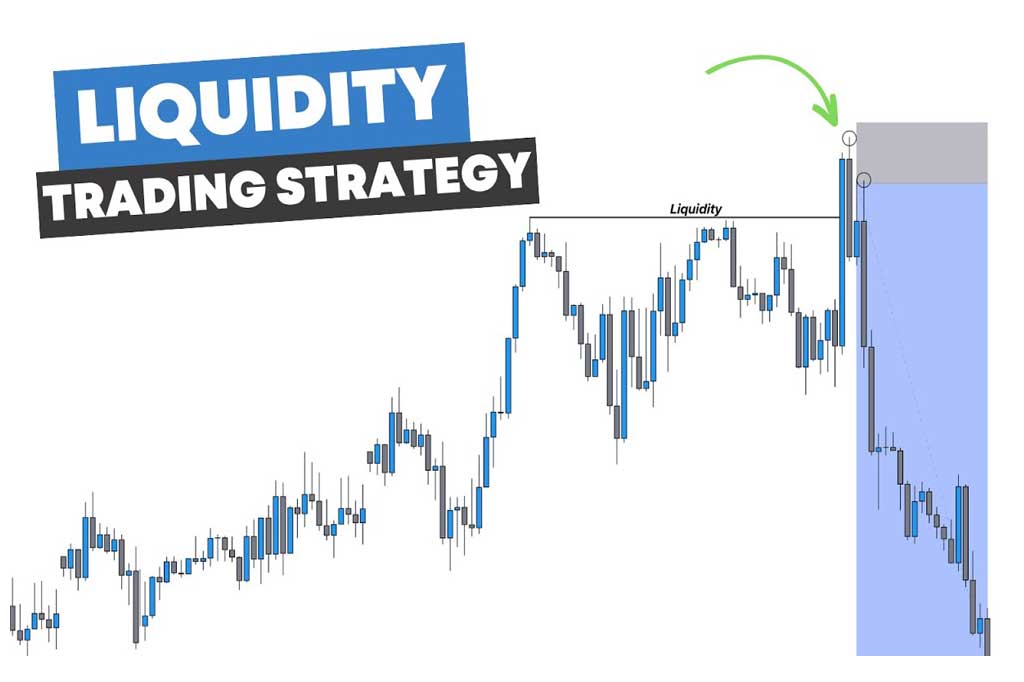
Liquidity refers to how easily an asset can be bought or sold without significantly affecting its price. A highly liquid market has many buyers and sellers at any given moment. A low liquidity market has fewer participants, which makes price movement more volatile.
Simple Definition of Market Liquidity
In simple words, market liquidity explained means you can get into or out of a trade quickly, an order placed will stay stable (price-wise) while you enter into or exit from your order. If you can get into a position or go out of a position without a large jump in price of the asset, then you have a liquid market.
For example, major currency pairs (e.g. EUR/USD) will typically have good liquidity because of how active traders/investors (retail, institutional, or otherwise) are at all times. Exotic pairs (e.g. USD/pkr), conversely, are likely to have less liquidity due to their little amount of market participants thus producing larger “gaps” in price when you place an order.
High Liquidity vs Low Liquidity Markets
Understanding the difference between high and low liquidity markets is essential for risk control.
Characteristics of Highly Liquid Markets
Highly liquid markets typically have tight spreads, fast execution, and stable price flow. Large volumes are traded daily, which reduces the impact of individual orders.
Major forex pairs during the London or New York sessions are classic examples. Stocks of large global companies also show strong liquidity because thousands of traders participate daily.
Platforms like MetaTrader platform or cTrader Accounts often display real-time bid-ask spreads, helping traders see liquidity in action.
Risks of Low Liquidity Markets
Low liquidity markets can produce sudden spikes, slippage, and unpredictable movements. You may place a stop-loss at a specific level, but due to thin volume, execution could occur at a worse price.
Cryptocurrencies outside major coins often show this behavior. Small-cap stocks also experience rapid swings when volume dries up.
Low liquidity increases transaction costs indirectly, even if spreads appear small at first glance.
Why Liquidity Is Critical in a Trading Strategy
Liquidity is not just a technical concept. It directly impacts your strategy’s performance.
-
Execution Quality
Even the best entry point means little if your order cannot be executed at that price. High liquidity ensures smoother fills.
-
Spread Stability
Liquidity influences the bid-ask spread. In highly liquid markets, spreads remain tight and predictable.
-
Risk Control
Liquidity helps protect your stop-loss orders. In thin markets, stop levels may slip dramatically.
-
Strategy Selection
Some strategies, like scalping or LIT style in forex, rely heavily on stable liquidity conditions to function properly.
Read More: LIT style in forex
A strong liquidity in trading strategy always considers when and where to trade, not just how.
Types of Liquidity in Financial Markets
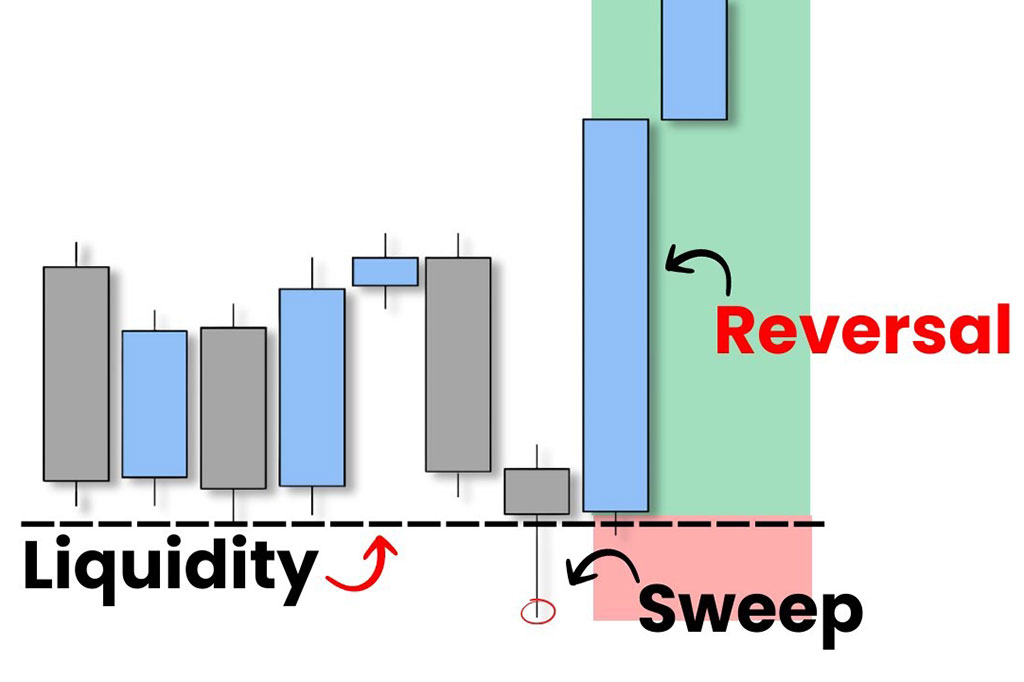
Liquidity can be categorized into different forms.
-
Market Liquidity
This refers to how easily assets are traded in a specific market. Forex majors are highly liquid examples.
-
Funding Liquidity
This relates to how easily traders can access capital to maintain positions.
-
Accounting Liquidity
Used more in corporate finance, this measures a company’s ability to meet short-term obligations.
For traders, market liquidity remains the most relevant type.
Liquidity Across Different Markets
Liquidity varies significantly between markets.
Liquidity in Forex Market
Forex is considered the most liquid market in the world. Daily trading volume exceeds trillions of dollars.
However, liquidity changes throughout the day. The overlap between London and New York sessions usually provides the highest volume and tightest spreads.
Liquidity in Stock Market
Large-cap stocks offer strong liquidity. Small-cap stocks may have limited trading volume, increasing volatility risk.
Market open and close times often show higher liquidity.
Liquidity in Commodities
Commodities like gold and crude oil are highly liquid, especially during active trading sessions.
Less popular commodities may experience thin order books and higher price fluctuations.
Liquidity in Cryptocurrency Markets
Liquidity is usually quite strong for larger cryptocurrencies (e.g., Bitcoin and Ethereum), but it can also disappear overnight (e.g., suddenly and unexpectedly) if there is widespread fear in the market.
Traders removing their orders during a crash can quickly cause available liquidity in the market to disappear (i.e., thin out), leading to extreme price volatility (i.e., sharp increase/decrease).
How to Measure Liquidity Before Entering a Trade
There are several different ways for traders to identify liquidity.
First, look at volume. Higher volumes generally mean more liquidity.
Second, look at the bid-ask spread. A narrower bid-ask spread generally means greater liquidity.
Third, look at order book depth. The larger the order book, the more people that are buying and selling at a variety of prices.
Fourth, pay attention to trading hours. There is usually more liquidity when there are two significant financial centers trading at the same time.
When using trend trading strategies in Forex, an understanding of the liquidity patterns of market sessions can be advantageous.
Advanced Strategies for Trading in Low Liquidity Conditions
Sometimes traders cannot avoid low liquidity markets. In such cases, careful planning becomes essential.
One approach is reducing position size to minimize slippage risk.
Another method involves widening stop-loss levels slightly to account for price noise.
Some experienced traders wait for liquidity to return before entering large trades.
Patience becomes a strategic advantage when liquidity drops.
Common Liquidity Mistakes Traders Make
Many traders underestimate liquidity risks. One common mistake is trading during holidays when participation is lower. Another mistake is ignoring news events that suddenly shift liquidity.
Some traders assume tight spreads always mean high liquidity, but spreads can widen quickly during volatility. Overtrading in thin markets often leads to unnecessary losses.
Conclusion
Liquidity is the secret power source for all trades. It impacts execution, cost, risk, and how successful your strategy is at performing. Without a good intuition for liquidity, even highly complex analyses can fail.
What is liquidity in trading strategy? Answering that question is both straightforward & powerful: liquidity is the bedrock foundation for safe & efficient trading. Your liquidity dictates whether your trading plan works in unison with or struggles against volatile market conditions.
You can develop a systematic alignment of your strategy with “reality” market conditions by observing volume, spreads, & session timeframes. Long-term mastery of liquidity awareness develops both the consistency of your trading results and your confidence in those results.
The act of trading is not purely about forecasting the direction of market movement; it is about gaining an intimate understanding of the environment in which you are trading; your liquidity.
FAQ
Liquidity in trading strategy forex refers to how easily currency pairs can be bought or sold without causing major price changes, and how that affects execution quality and risk management.
Traders typically assess liquidity through trading volume, bid/ask spreads, and by observing market depth and whether activity is active in the given session
During crashes, many participants exit positions or reduce activity, which thins order books and increases volatility.
The overlap between the London and New York trading sessions generally provides the highest liquidity in the forex market.
Share
Hot topics
what is spread trading?
If you’ve spent any time in financial markets, you’ve probably heard traders talk about spreads. Sometimes they mean the difference between bid and ask prices. Other times, they’re referring to...
Read more



Submit comment
Your email address will not be published. Required fields are marked *