
Copper Market Tightens as Tariff Risks and Mine Disruptions Raise Shortage Fears
Copper Prices Rise on Mounting Supply Constraints
Copper futures climbed to $5.913 per pound on Tuesday, reflecting growing tightness in the market. The 1.1% advance comes as the copper sector faces a “dual threat” from policy and operational factors.
Tariff-related uncertainty is disrupting trade flows, contributing to reduced visibility on future supply availability. At the same time, physical mine disruptions are directly curbing production, adding to the strain on inventories.
Analysts cited in the report warn that the interaction of these factors could result in a substantial copper deficit in the coming months. Investors are therefore monitoring copper pricing closely as an indicator of both market balance and broader economic conditions.
Strategic Importance of Copper in the Energy Transition
Copper is described as a critical industrial metal, with established uses in electrical wiring and construction and a growing role in electric vehicles and renewable energy infrastructure. The current supply concerns arise at a time when the global energy transition is increasing demand for copper-intensive technologies.
The report highlights that EV charging infrastructure, solar panels, and wind turbines all require significant amounts of copper. Any sustained shortage could therefore affect the pace and cost structure of ongoing energy transition projects.
The situation is further complicated by the broader geopolitical environment. The Iran war and an associated oil price shock have introduced an additional layer of uncertainty to commodity markets. The U.S.-Iran conflict is identified as a factor that could disrupt Middle Eastern supply chains, compounding existing risks in the copper market and other raw materials.
Against this backdrop, market participants are treating copper as a barometer of global economic health and the trajectory of the energy transition. The convergence of trade policy risk, mine disruptions, and geopolitical tensions is reinforcing concerns about the near-term balance of supply and demand.
FAQ
Why did copper futures rise to $5.913 per pound?
Copper futures increased 1.1% to $5.913 per pound on Tuesday due to tightening supply conditions driven by tariff-related trade disruptions and physical mine issues.
What are the main factors behind the potential copper shortage?
The potential shortage stems from a combination of tariff uncertainty affecting trade flows and mine disruptions that are reducing physical supply, which together may lead to a significant deficit in the coming months.
Why is copper important for the energy transition?
Copper is essential for EV charging infrastructure, solar panels, and wind turbines, in addition to its traditional uses in electrical wiring and construction, making it a key material for the global energy transition.
How do geopolitical tensions factor into copper market risks?
The Iran war, the oil price shock, and the U.S.-Iran conflict introduce additional uncertainty and potential disruption to Middle Eastern supply chains, adding to existing concerns about copper availability and broader commodity markets.
Share
Hot topics
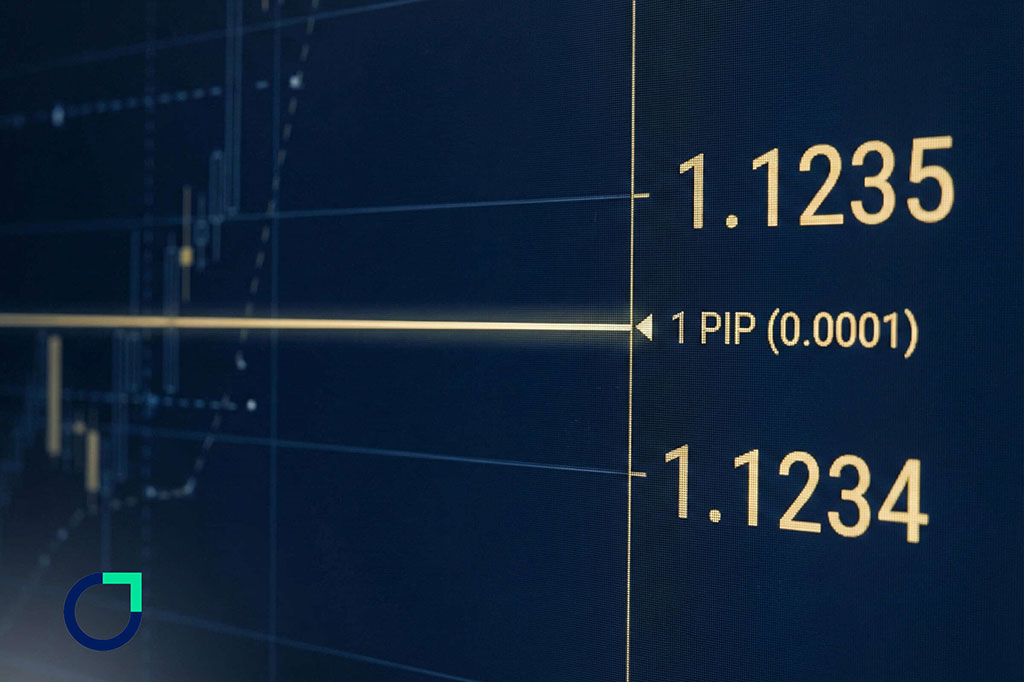
what is Pip in Forex?
When you look at currency prices fluctuating on a trading platform, you have likely noticed one interesting thing: while the amounts may change only by a small percentage, traders seem...
Read more




Submit comment
Your email address will not be published. Required fields are marked *