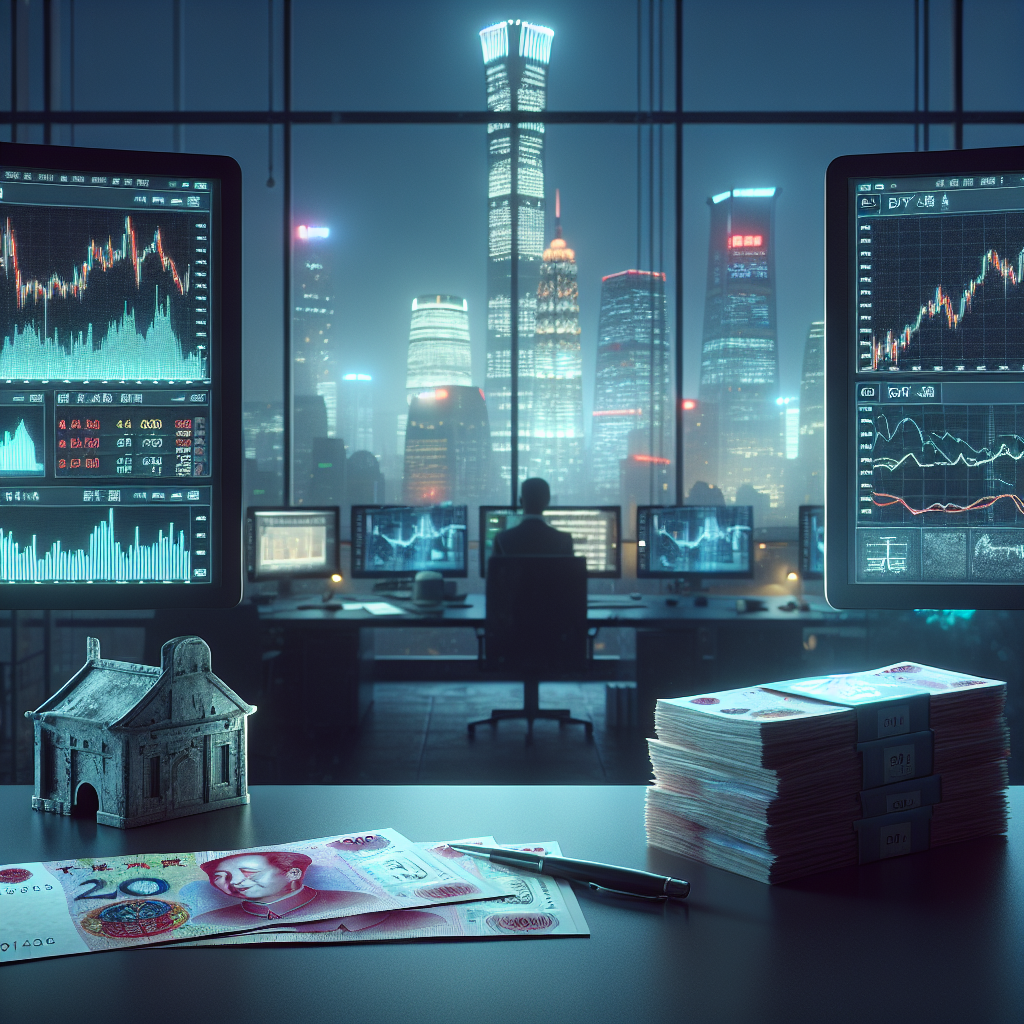
China Sets Lowest Growth Target in Decades Amid Deflation and Property Strains
Beijing Lowers Growth Ambitions at National People's Congress
At the annual National People's Congress session, China's government announced a GDP growth target of around 5% for 2026. Analysts characterized this as a significant scaling back of the country's growth ambitions in light of current economic headwinds. The leadership acknowledged persistent deflation, a prolonged property sector downturn, and weak consumer confidence as key challenges.
External pressures were also highlighted, notably ongoing U.S. tariffs and broader uncertainties in the global environment. The government cited the global impact of the Iran war on energy prices as an additional source of risk to the economic outlook.
Premier Li Qiang presented the government work report, outlining the policy framework intended to support the 2026 target. The report emphasized plans to stimulate the economy through increased fiscal spending and monetary easing.
Policy Response and Market Reaction
In response to the slowdown, China's leadership pledged measures to boost domestic consumption and provide support to the private sector. Authorities signaled that achieving even the modest 5% growth target would require significant policy support under current conditions.
Financial markets in Asia reacted positively. The Hang Seng Index rose 1.72%, while the Shanghai Composite gained 0.38%, as regional markets mostly advanced. The yuan remained relatively stable despite the acknowledgement of both domestic and external economic challenges.
Analysts noted that the combination of fiscal and monetary measures, together with efforts to sustain private sector activity, will be central to China's attempt to navigate deflationary pressures, the property sector downturn, and the ongoing trade war with the United States.
FAQ
What growth target did China set for 2026?
China set a GDP growth target of around 5% for 2026, described as its lowest economic growth target in decades.
Which main challenges is China’s economy currently facing?
China is dealing with persistent deflation, a prolonged property sector downturn, weak consumer confidence, and the impact of escalating U.S. tariffs, as well as global energy price uncertainties linked to the Iran war.
What policy measures did the government outline to support growth?
Premier Li Qiang’s government work report outlined plans to stimulate the economy through fiscal spending and monetary easing, alongside commitments to boost domestic consumption and support the private sector.
How did financial markets respond to the announcements?
Following the announcements, the Hang Seng Index rose 1.72%, the Shanghai Composite gained 0.38%, and the yuan remained relatively stable.
Share
Hot topics

Best broker for gold trading
There’s always been a certain magic about gold. Before online charts and trading applications, people stored their wealth in coins and bars, trusting that gold would retain its value during...
Read more


Submit comment
Your email address will not be published. Required fields are marked *