
Asian Markets Show Resilience as South Korea’s Kospi Hits Record High
Kospi Reaches Consecutive Record Highs
South Korea’s Kospi index set a fresh record high, marking the second straight session in which the benchmark has broken its previous peak. This performance highlights continued investor confidence in South Korean equities despite unresolved questions around U.S. tariff measures.
The Kospi’s advance comes against the backdrop of evolving trade policy developments in the United States. Markets appear to be weighing the potential impact of further tariff moves while still finding support for risk assets in parts of the region.
China Gains Leverage as Markets Hold Firm
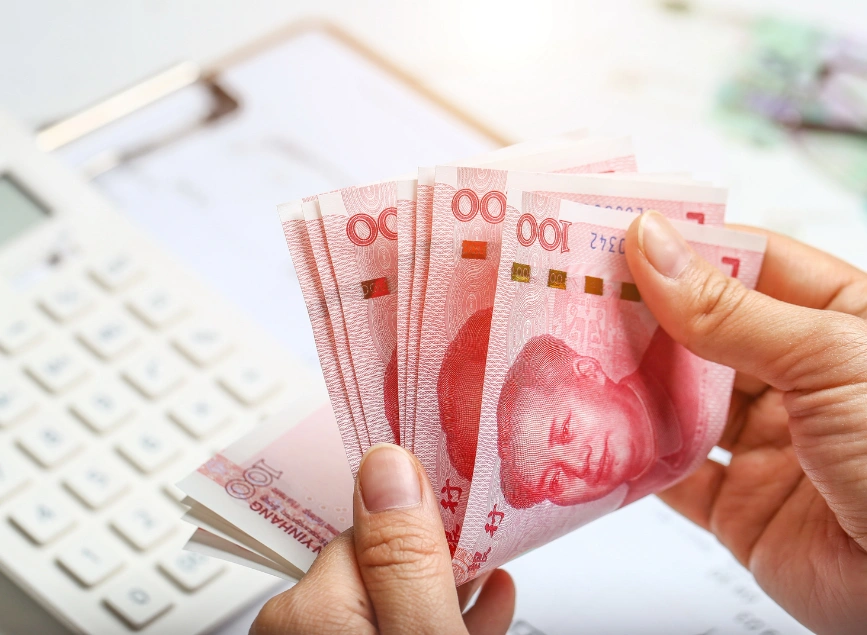
China’s position in trade discussions has been strengthened by a Supreme Court ruling that curbs Trump’s tariff policies. This decision has given China additional leverage ahead of a planned high-stakes summit, where trade and economic issues are expected to be central.
Across Asia, stock markets are mixed but generally demonstrating underlying strength. Some indices have moved to new highs, while others are stable rather than reacting sharply to policy headlines. The pattern suggests that many Asian investors are adopting a wait-and-see stance toward future U.S. trade decisions, monitoring developments without broad-based risk aversion.
Overall, the combination of a stronger negotiating position for China and record levels in South Korea’s Kospi indicates that, for now, regional markets are absorbing trade-related uncertainty without significant disruption.
FAQ
What happened to South Korea’s Kospi index?
The Kospi index in South Korea reached a new record high for the second consecutive session, indicating ongoing investor confidence.
How did the Supreme Court ruling affect Trump’s tariff policies?
The Supreme Court issued a ruling that curbs Trump’s tariff policies, limiting their scope and contributing to a shift in the trade policy backdrop.
Why is China said to have more leverage now?
China’s leverage has increased because the Supreme Court ruling against Trump’s tariff policies strengthens its position ahead of a planned high-stakes summit.
How are Asian markets reacting overall?
Asian markets are mixed but generally showing strength, with some indices hitting new highs and others remaining stable, reflecting a wait-and-see approach to U.S. trade policy developments.
Share
Hot topics
What is a Stop Out in Trading?
Introduction If you’ve been trading for some time, you’ve likely heard experienced traders mention margin protection. This area is often overlooked when opening a trading account. Many novice traders focus...
Read more


Submit comment
Your email address will not be published. Required fields are marked *